
Japan Cruise or Land Trip? How to Plan Your First Visit
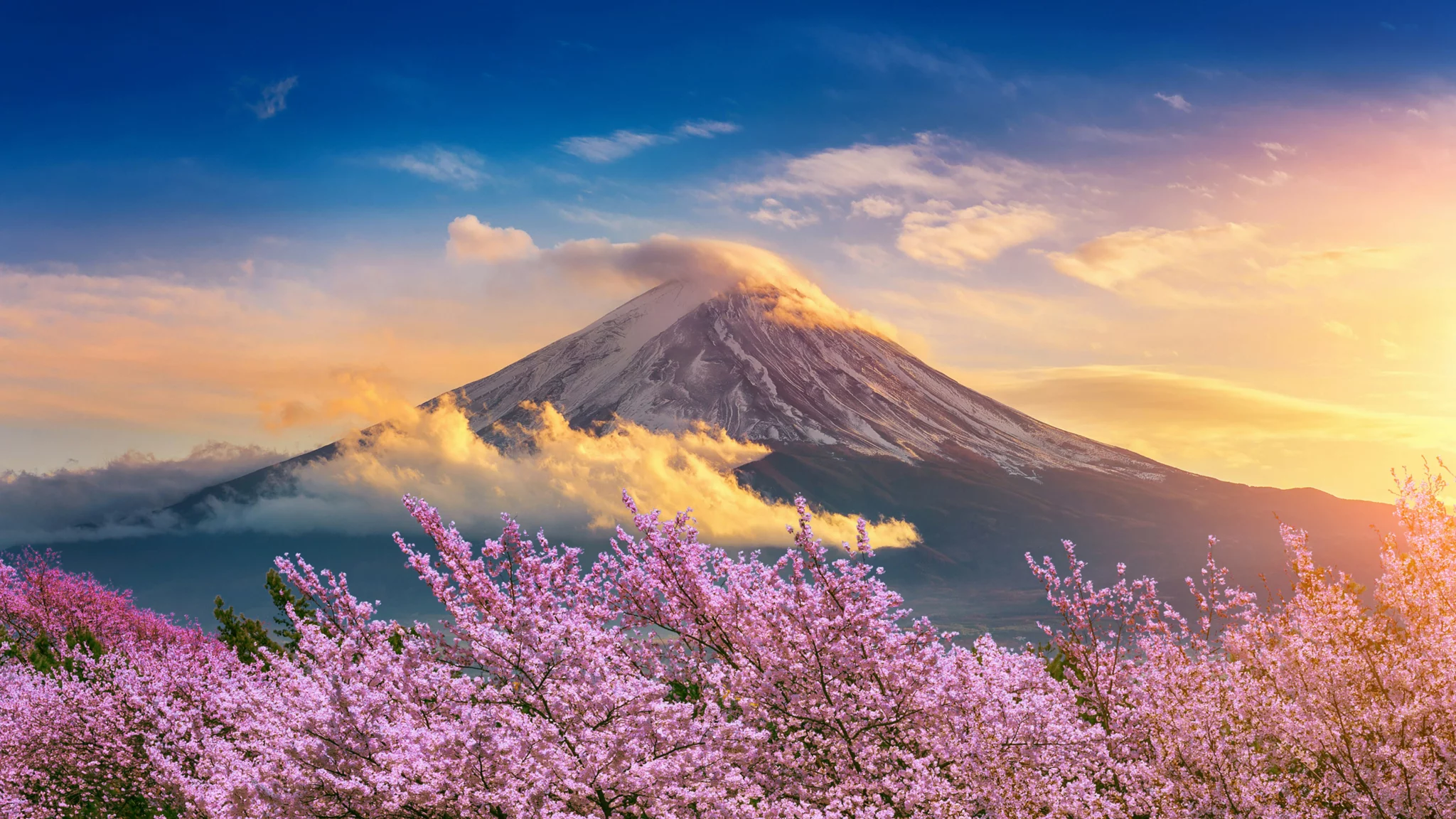
Quick answer: For a first trip to Japan, I recommend a land trip built around Tokyo and Kyoto. If you want to see more cities without packing and unpacking, a Japan cruise on a line like Royal Caribbean or Celebrity can work well, especially with a few extra nights on land before or after. Celebrity has Japan sailings in 2027, including cherry blossom season. Budget for Japan’s new ¥3,000 departure tax, and know that tax-free shopping now works as a refund when you leave.
Everybody seems to be going to Japan right now. I lived there for about a year and a half, in different stretches, after landing a job singing and dancing in stage shows at Tokyo Disneyland. So when someone asks me where to start, I have opinions.
I told the whole first-timer story on Talk Travel with Samantha, covering Tokyo neighborhoods, Kyoto manners, the food and the seven mistakes I see most. You can read that in my First Trip to Japan guide on Talk Travel. This post answers the question that comes next when you sit down to book: should you see Japan by land, by cruise ship, or both? And what’s changed in 2026 that affects your budget?
Land trip or cruise: which is better for a first visit?
My answer for a first trip is Tokyo and Kyoto, connected by the Shinkansen (the bullet train). Tokyo is neon and sensory overload; Kyoto is about slowing down. They’re so different that you need both. If you have more time, add Osaka, Hiroshima or Hakone, but keep the first trip simple.
A cruise makes sense when you want to see more of the country than one trip by train allows. As I said on the show: if you want to see more cities, consider a cruise. Lines you already know, like Royal Caribbean and Celebrity, sail in Japan, and you can add a land stay at the end. Fair warning, though. Once you get a taste of those cities, you’ll wish you had stayed longer.
Here’s how the two styles compare:
- Land trip: best for really getting to know Tokyo and Kyoto. You choose your hotels, set your own pace and can stay in a traditional ryokan. You also handle the trains and luggage yourself (more on that below).
- Cruise: best for sampling several cities and regions in one trip. You unpack once, and meals and transport between ports are handled. Port days are short, and some “city” stops are a transfer away from the city itself.
- Both: a cruise that starts or ends in Tokyo, plus three or four nights on land, gives you depth in one city and a taste of the rest.
Which cruise lines sail in Japan in 2027?
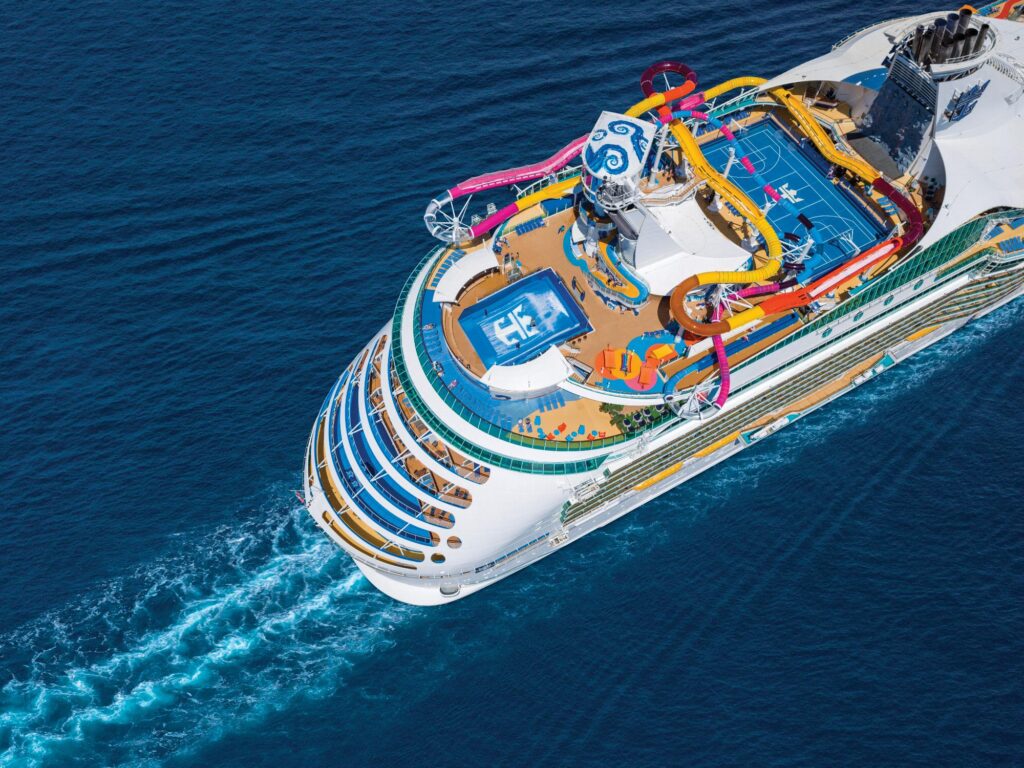
Navigator of the Seas sails between Singapore and Tokyo in February 2027. Photo courtesy of Royal Caribbean International.
Japan cruises are mostly seasonal, so dates matter. A few current examples from the cruise lines we book most often:
- Celebrity Cruises: Celebrity Millennium and the renewed Celebrity Solstice both have Japan sailings in its 2027 Asia season, including during cherry blossom season. Ports on Celebrity’s list include Tokyo (Yokohama), Mt. Fuji (Shimizu), Kyoto (Osaka), Kobe, Kochi and Beppu.
- Royal Caribbean: Navigator of the Seas has one-way sailings between Singapore and Tokyo in February 2027, with Japanese stops such as Nagasaki, Kagoshima, Nagoya, Osaka, Okinawa and Ishigaki.
Itineraries and ports can change, so we check the current schedule when we price your dates. If you’re deciding between the two lines, our Celebrity Cruises guide and Royal Caribbean guide explain who each one suits.
What to know before you book a Japan cruise
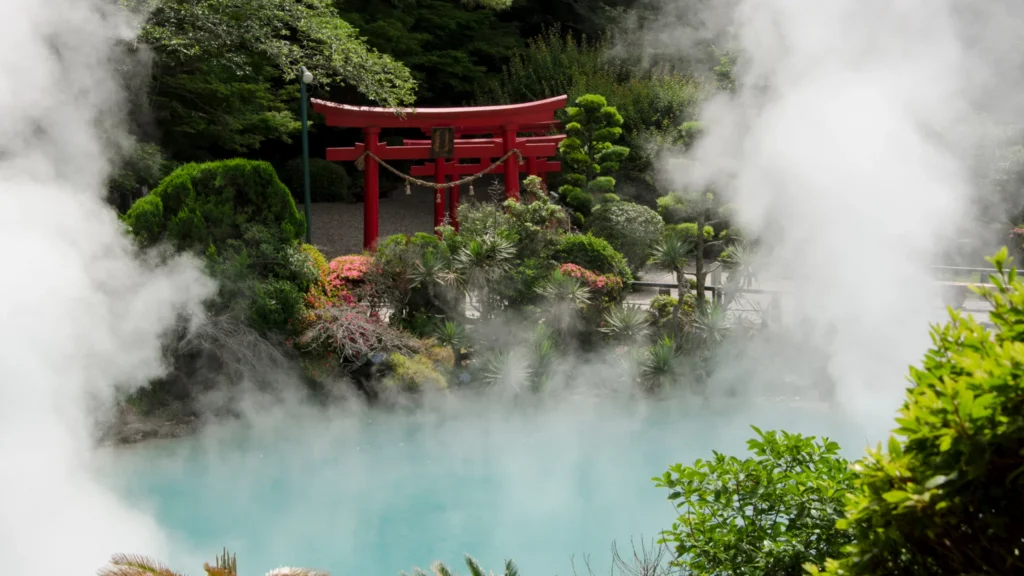
Beppu, famous for its hot springs, is one of the Japanese ports on Celebrity’s 2027 list. Photo courtesy of Celebrity Cruises.
- Read the port names closely. A stop listed as “Kyoto (Osaka)” docks in Osaka, and “Mt. Fuji (Shimizu)” docks in Shimizu. Seeing Kyoto or the mountain means a transfer each way, so a shore excursion or a well-timed train matters.
- One-way sailings need flight planning. A Singapore-to-Tokyo cruise means flying into one country and home from another, so open-jaw flights are part of the price.
- Tokyo has more than one cruise port. Some ships use Yokohama and some use the Tokyo International Cruise Terminal. Book your pre- or post-cruise hotel after you know which.
- Fly in at least a day early. That’s my rule for any cruise, and it matters even more after a flight across the Pacific.
How to plan the land part of your trip
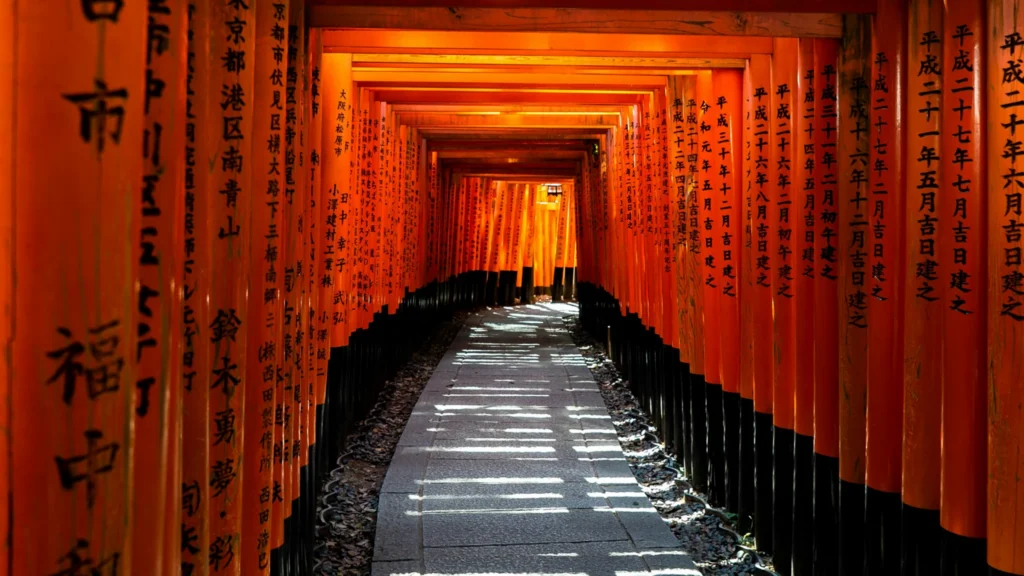
Fushimi Inari in Kyoto is most peaceful early in the morning. Photo courtesy of Celebrity Cruises.
Whether it’s your whole trip or the nights around a cruise, these are the tips from my time in Japan that make the biggest difference:
- Plan Tokyo by neighborhood. Don’t plan “Monday: Tokyo.” Plan “Monday: Shibuya and Harajuku” and “Tuesday: Asakusa and Ueno.” Two days in Tokyo is not enough. It’s enormous.
- Give Kyoto more time than you think. Both of my visits were only a night or two, and it deserves more. Go early to places like Fushimi Inari and the Arashiyama Bamboo Grove.
- Forward your luggage. Japan has excellent luggage delivery between hotels. The subway to the bullet train is a regular commuter train with no luggage space, and you do not want to be on it at rush hour with two big suitcases.
- Splurge on a ryokan night. Tatami mats, traditional meals and possibly an onsen. It’s the kind of experience you couldn’t have at home.
- Disney fans, give Tokyo Disney two days. One for Tokyo Disneyland and one for Tokyo DisneySea, which is the only park of its kind in the world. And yes, I’m biased, but I think the rides and entertainment are second to none.
Is the Japan Rail Pass worth it?
Not automatically. Don’t buy one just because you’re going to Japan. Price out the individual train journeys on your itinerary first.
The nationwide pass got more expensive on October 1, 2026. A 7-day Ordinary pass is now ¥53,000 for adults (it was ¥50,000), and the 7-day Green Car pass is ¥74,000 (it was ¥70,000). A simple Tokyo-Kyoto-Tokyo trip often doesn’t use enough rail to make that pay off. A trip with several long train rides might. On a cruise, the ship covers most of the distance, so a pass rarely makes sense.
2026 changes that affect your budget
- Higher departure tax: since July 1, 2026, Japan’s International Tourist Tax is ¥3,000 per person (up from ¥1,000). It’s usually added to your ticket when you buy it, so you may not notice it, but it’s part of the cost.
- Tax-free shopping is now a refund: since November 1, 2026, you pay the tax-included price in eligible shops, then get the consumption tax back when you leave Japan. You need to spend at least ¥5,000 (before tax) per shop per day, complete the procedure at a departure terminal within 90 days of purchase, and have your purchases with you in case customs asks to see them. Cruise passengers also need their landing permit, so keep it with your passport.
Rules like these change, so we check the current ones when we plan your trip.
How we help plan a Japan trip
Japan rewards good planning. We can help you decide how many days you need, where to stay in Tokyo, how to structure Kyoto, which experiences need reservations, and whether a cruise, a land trip or both fits you best. We’ll also line up the transfers so your trip doesn’t feel like a sprint across Japan carrying a suitcase.
Vacation planning with Fabulous Adventures is always complimentary.* *If your trip needs extensive planning outside the norm, we’ll always tell you about any planning fee before we start.
Booking a cruise through us never costs more than booking direct, and it often gets you more value, from agency promotions and onboard perks to avoiding costly mistakes like the wrong port or a too-tight flight. Tell us about your trip and we usually reply within 24 hours.
