Antarctica Expedition Cruise vs. a Regular Cruise: Can You Actually Go Ashore?
I’m a warm-weather girl. Give me a beach and a cocktail. And yet two of the trips that surprised me most were Alaska and Iceland, the cold, dramatic, glacier-filled ones. So I get why Antarctica keeps coming up when people tell me about their bucket list.
But there’s something most people don’t realize until it’s too late: not every Antarctica cruise lets you set foot on Antarctica.
Let’s break it down.
The Rule That Changes Everything
Antarctic tourism follows strict limits agreed under the Antarctic Treaty system and the operators’ association, IAATO. Two of them matter most to you:
- Ships carrying more than 500 passengers can’t land guests at all.
- No more than 100 people from a ship can be ashore at one time, with guides escorting small groups.
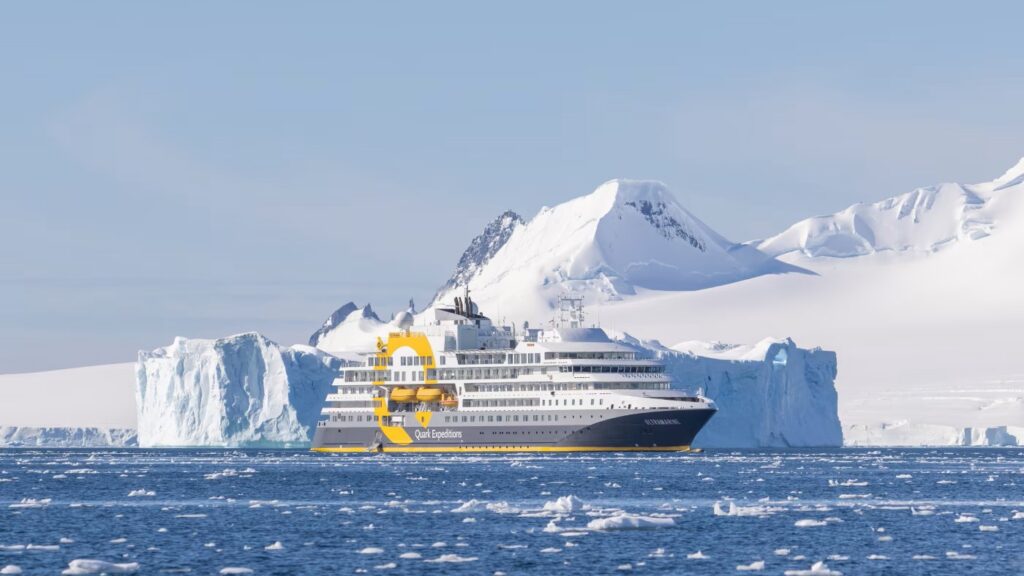
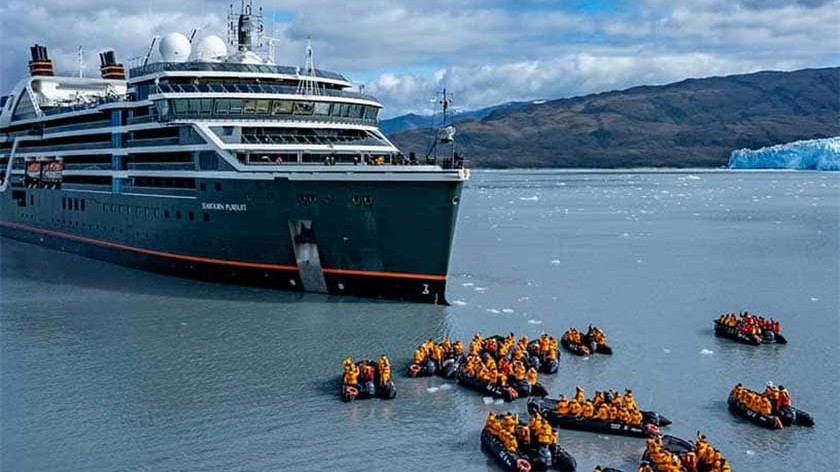
Ships with 201 to 500 passengers can land, but with tighter limits on where and when. That’s why most true expedition ships are small, often 200 guests or fewer.
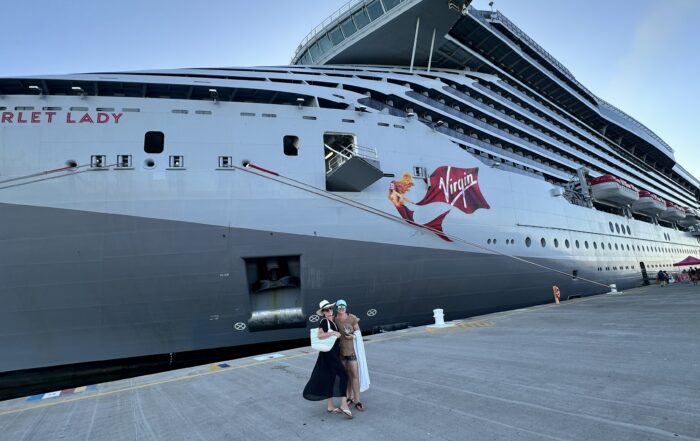
So when you see a big-ship “Antarctica cruise,” that’s usually scenic cruising. You’ll see icebergs and glaciers from the deck, and it can be gorgeous. But you won’t stand next to a penguin colony.
Antarctica Expedition Cruise vs. Scenic Cruise
Think of it this way. A scenic cruise shows you Antarctica. An Antarctica expedition cruise puts you in it.
On an expedition, the ship is your base camp. You eat, sleep and warm back up on board, and the real adventure happens off the ship. On a typical day you might:
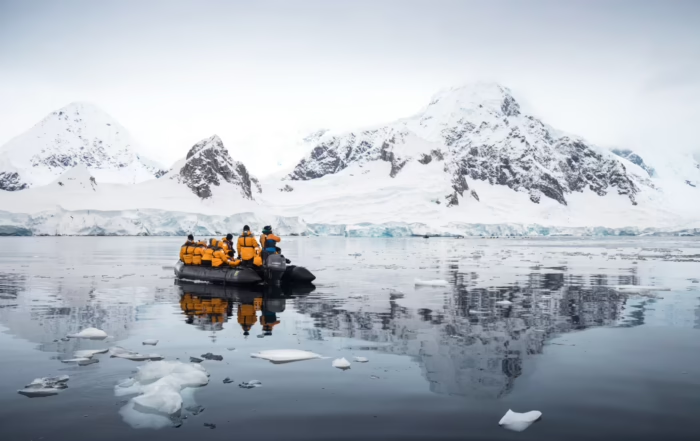
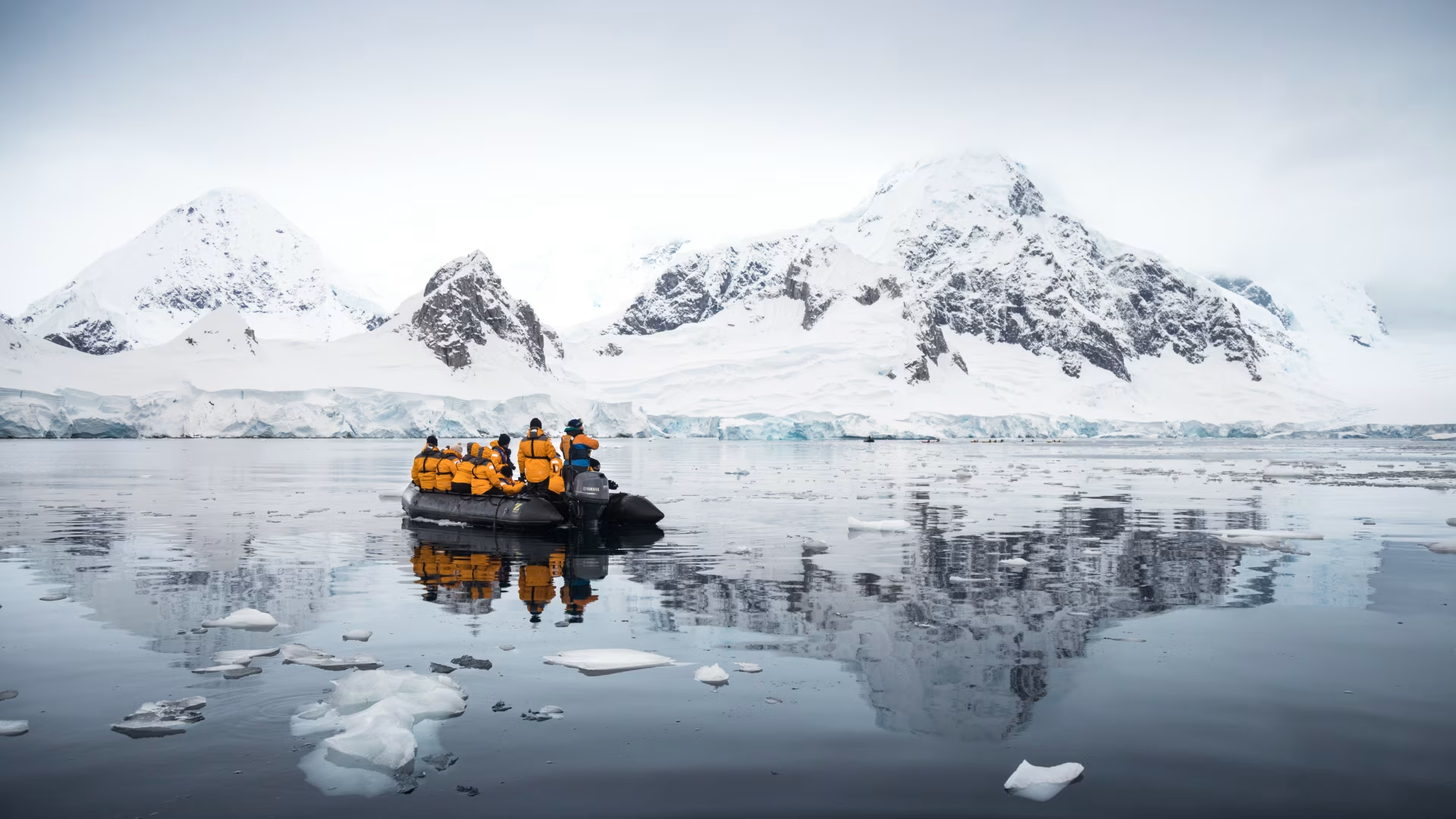
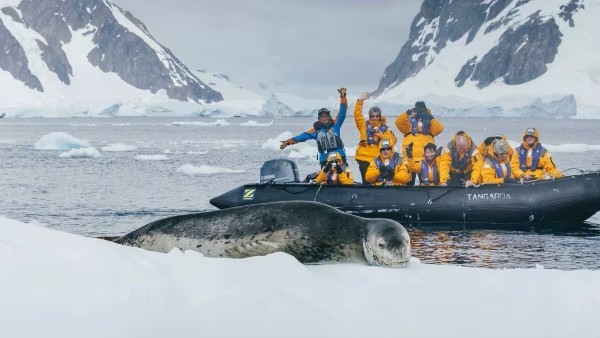
- Ride a Zodiac (a small inflatable boat) between icebergs and along glacier faces
- Make a guided landing near a penguin colony
- Join an add-on like sea kayaking or stand-up paddleboarding, often for an extra fee
- Spend evenings with the expedition team learning about wildlife, ice and history
And here’s the part I’d want every client to understand: the weather is the boss. Wind, ice and sea conditions decide what happens each day, and good expedition teams change plans hour by hour. If you need a fixed schedule, this is not your trip. If you love the idea of “we’ll see what the ice lets us do,” it absolutely is.
It reminds me of what I always say about Alaska: it’s not about the ship. It’s about getting off the ship.
Getting There: Sail the Drake or Fly It?
Most Antarctica trips start at the tip of South America, and that’s where your first big decision comes in.
Sail the Drake Passage. The classic route leaves from Ushuaia, Argentina, and crosses the Drake Passage, which usually takes about two days each way. Some crossings are calm. Some are very much not. People joke about the “Drake Lake” and the “Drake Shake” for a reason.
Fly the Drake. Fly-cruise trips skip the crossing with a short charter flight from Punta Arenas, Chile, to King George Island in the South Shetland Islands, where you board the ship. You trade sea days for more time in Antarctica. These trips often cost more, and weather can delay flights too.
There’s no wrong answer. It comes down to your time, your budget and your stomach.
When to Go
Antarctica’s cruise season runs during its summer, roughly November through March.
- November: early season, fresh snow and lots of ice
- December to February: peak season, the longest days
- February to March: a great window for whale watching
Early and late season sailings can also come with better pricing than the peak months.
How I’d Choose an Antarctica Expedition Cruise
If a client told me Antarctica was finally happening, these are the questions I’d want answered before we picked anything:
- How many guests does the ship carry? Under 200 means more landing opportunities.
- Are landings planned, or is it scenic cruising only?
- What’s included and what’s extra? Kayaking, camping and other activities are often add-ons.
- Sail or fly the Drake?
- Who’s on the expedition team, and is the operator an IAATO member?
Antarctica isn’t a trip you take on a whim. It’s a trip you plan for. And the right ship makes all the difference.
Thinking About Antarctica?
If Antarctica has crept onto your list, I’d love to help you figure out which kind of trip fits you. Reach out to our team and we’ll walk you through it.
And if you want to see why I fell for the cold places first, read about Alaska and Iceland.